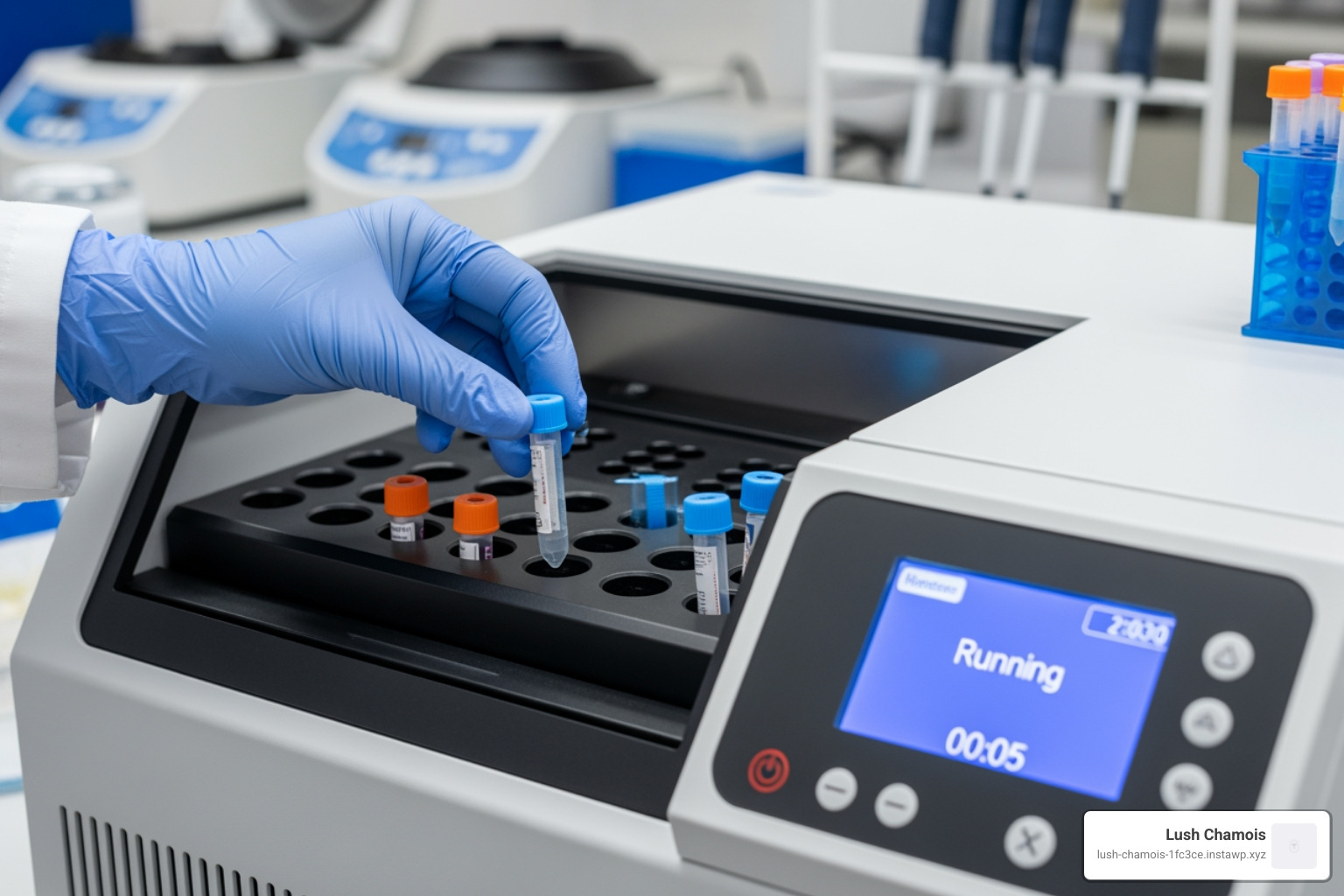
Why Fast Testing Matters When Accuracy Can’t Be Compromised
Fast PCR testing combines the high accuracy of traditional laboratory PCR tests with rapid turnaround times—delivering reliable results in as little as 39 minutes to a few hours, rather than the typical 1-3 days.
Quick Answer: What You Need to Know About Fast PCR Testing
- Speed: Results in 39 minutes to same-day (vs. 1-3 days for traditional PCR)
- Accuracy: Same “gold standard” reliability as lab-based PCR tests
- Technology: Automated point-of-care platforms that don’t require lab transport
- Best For: Travel documentation, pre-surgery screening, and situations requiring both speed and accuracy
- Cost: More expensive than rapid antigen tests but faster than traditional PCR
When you’re standing at the airport and realize your negative test is required for entry, or you need official documentation for a medical procedure, the difference between a 15-minute antigen test and a 3-day lab PCR suddenly matters. A lot.
The COVID-19 pandemic forced us to steer a confusing landscape of testing options. Traditional PCR tests offered accuracy but required patience. Rapid antigen tests delivered speed but left many travelers rejected at borders due to lower sensitivity. Fast PCR testing emerged as the solution that refuses to compromise.
By the end of 2020, over 80 million COVID-19 cases had been reported worldwide. This massive testing demand accelerated innovation in diagnostic technology. Companies developed automated platforms that could perform the entire PCR process—from sample preparation to result—without sending anything to a lab.
For travelers, healthcare workers, and anyone needing official documentation, understanding the differences between these testing methods isn’t just helpful—it’s essential.
Understanding the “Gold Standard”: How PCR and Antigen Tests Work
When it comes to detecting viruses like SARS-CoV-2, the virus responsible for COVID-19, we have a few key tools in our diagnostic arsenal. The two most common types of viral tests are the Polymerase Chain Reaction (PCR) test and the rapid antigen test. While both aim to tell us if we have a current infection, they go about it in fundamentally different ways, influencing their speed, accuracy, and best use cases.
What is a PCR Test?
Imagine trying to find a single needle in a haystack, but that needle is microscopic. That’s a bit like what a PCR test does. A PCR test, or Nucleic Acid Amplification Test (NAAT), is considered the “gold standard” for detecting viral infections, including COVID-19. Why “gold standard”? Because of its incredible sensitivity and accuracy. It works by looking for the virus’s specific genetic material – its RNA.
Here’s the magic: our bodies might only have a tiny amount of viral RNA present, especially early in an infection. PCR technology takes that tiny sample and “amplifies” it, making millions of copies of the target genetic material. This amplification process involves cycles of heating and cooling, with an enzyme called DNA polymerase doing the heavy lifting to copy the DNA. If even a minuscule amount of the virus’s genetic code is present, the PCR test can find it and multiply it until it’s detectable. This means a very low chance for error and high reliability.
Traditionally, a healthcare professional collects a sample (usually a nasal or throat swab), and this sample is then sent to a specialized lab for processing. Due to the logistics of transport and lab analysis, results for traditional PCR tests typically take anywhere from 1 to 3 days. While highly accurate, this wait time can be a significant drawback when quick decisions are needed.
What is a Rapid Antigen Test?
If PCR testing is like finding a microscopic needle, a rapid antigen test is like looking for a much larger, more obvious object in that same haystack. Instead of searching for genetic material, antigen tests look for specific proteins found on the surface of the virus. Think of these proteins as unique flags waving from the virus itself.
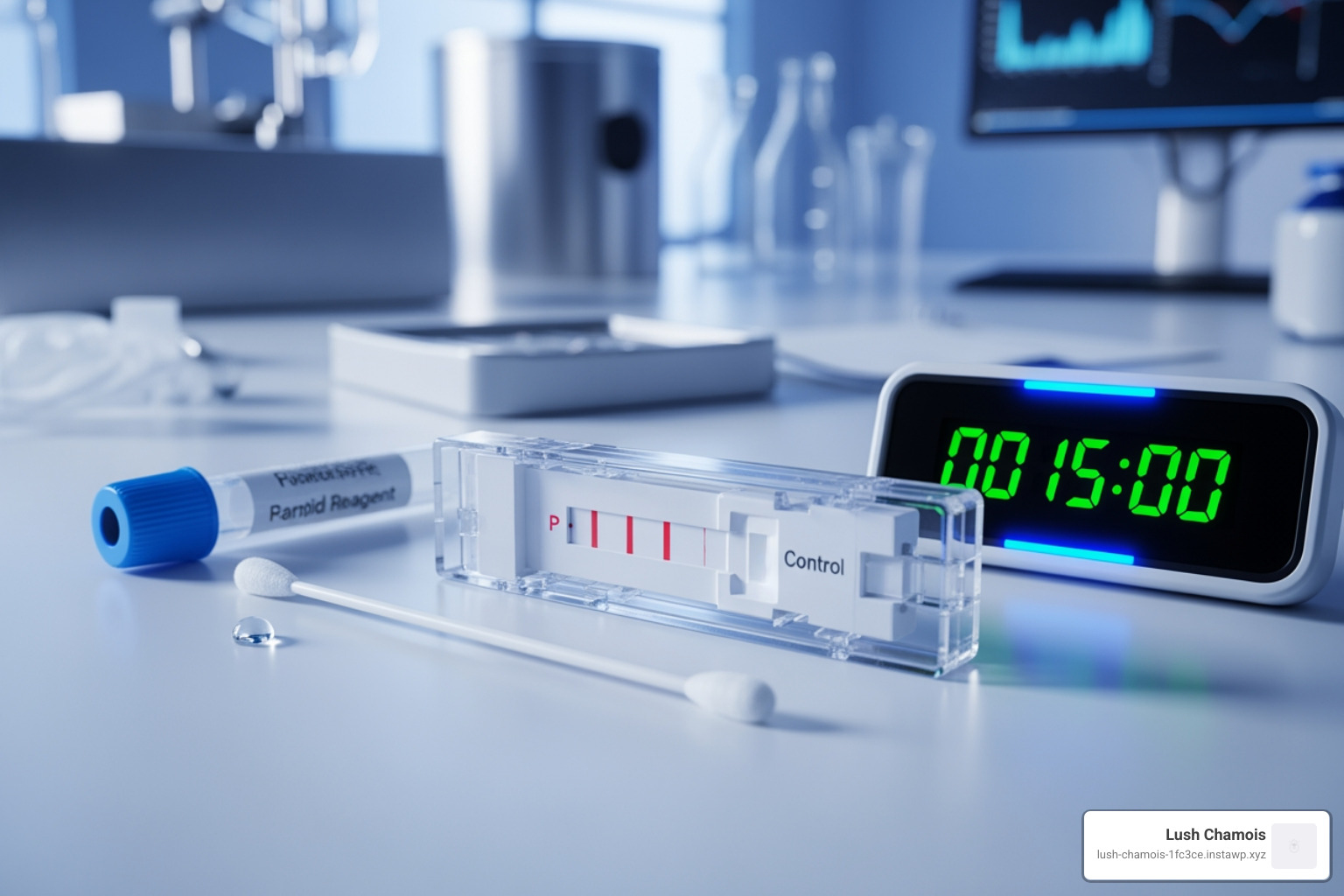
The biggest advantage of rapid antigen tests is their speed. They can produce a result in as little as 15 to 30 minutes, often right at home or at the point of care. This makes them incredibly convenient for quick screening. However, this speed comes with a trade-off: generally lower sensitivity compared to PCR tests. Antigen tests are most accurate when a person has a high viral load, meaning they have a lot of virus in their system, typically when they are symptomatic.
For instance, while a positive antigen test result is usually highly accurate and reliable, a negative antigen test doesn’t entirely rule out an infection, especially if you don’t have symptoms. This is why organizations like the FDA recommend repeat testing if you receive a negative antigen result but have symptoms or were exposed. These rapid tests are easy enough to do on your own at home, which helps slow the spread of contagious viruses with their quicker results.
The Game Changer: The Rise of Fast PCR Testing
The demand for both speed and accuracy during the pandemic spurred incredible innovation, leading to the development of Fast PCR testing. This isn’t a new type of test, but rather a technological leap that brings the “gold standard” accuracy of PCR to a much faster timeline. It’s like upgrading from a horse-drawn carriage to a high-speed train – same destination, vastly different journey time!
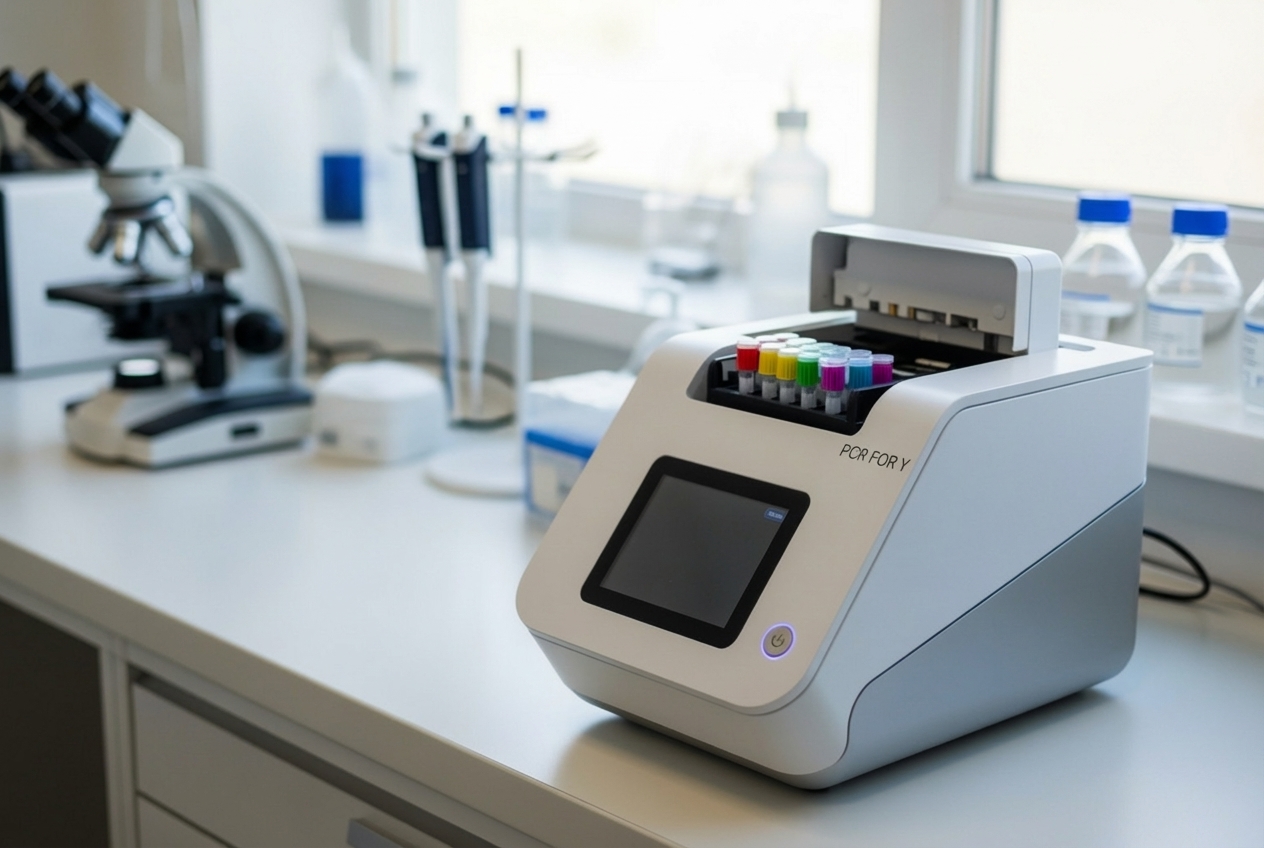
The key to Fast PCR testing lies in rapid molecular tests and automated platforms that can perform the complex PCR process on-site, often referred to as point-of-care testing. This eliminates the need to send samples to a central lab, drastically cutting down on logistical delays and wait times.
How Fast is Fast PCR Testing?
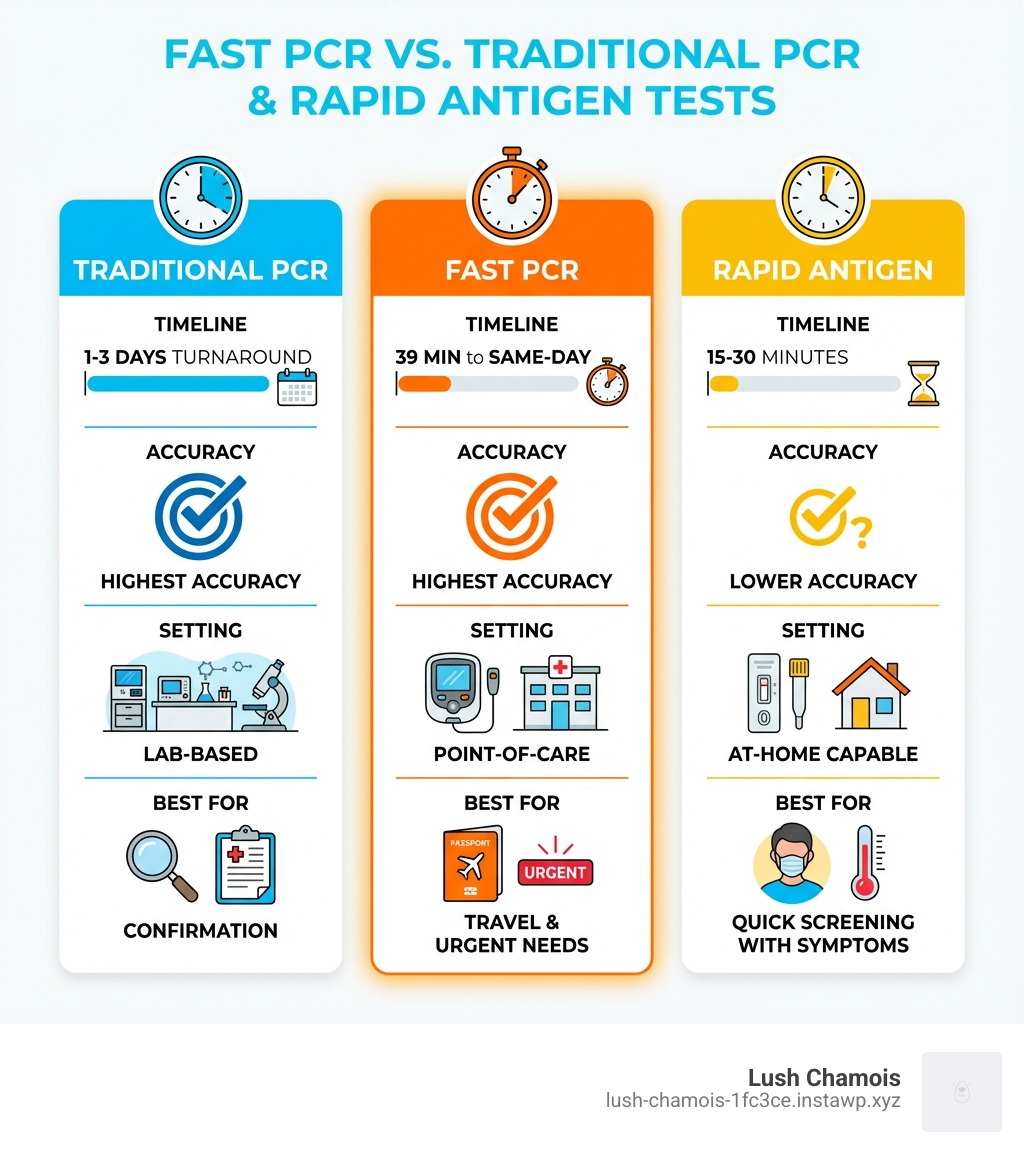
This is where Fast PCR testing truly shines. While traditional lab-based PCR tests can leave you waiting 1 to 3 days for results, rapid antigen tests give you an answer in 15-30 minutes, and some rapid molecular tests can provide results in less than 1 hour. But what about the best of both worlds?
Platforms like Vivalytic exemplify the speed of modern PCR. Our research shows that the Vivalytic rapid PCR test can deliver comprehensive results in just 39 minutes. Other rapid molecular tests are generally available the same day. This speed is a game-changer, allowing for immediate decision-making, whether it’s for travel, urgent medical procedures, or simply peace of mind.
To put it in perspective:
- Traditional PCR: 1-3 days
- Rapid Antigen Test: 15-30 minutes
- Rapid Molecular (Fast PCR) Test: As little as 39 minutes to same-day
This significant reduction in turnaround time, while maintaining the high accuracy of PCR, makes Fast PCR testing an invaluable tool in our diagnostic toolkit.
The Technology Behind the Speed
So, how do these rapid PCR systems achieve such impressive speeds without compromising accuracy? The secret lies in automation and miniaturization. Traditional PCR involves several manual steps and large laboratory equipment. Fast PCR testing platforms integrate these complex processes into compact, automated devices.
Here’s a simplified look at the technological steps involved, all happening rapidly within the device:
- Sample Preparation: After a nasal or throat swab sample is collected, it’s often introduced into a specialized cartridge.
- Cell Lysis: The device uses methods like ultrasound to break open the cells in the sample, releasing the viral genetic material (RNA).
- Nucleic Acid Extraction: The viral RNA is then isolated and purified from other cellular components.
- DNA Amplification: This is the core PCR step. The RNA is converted to DNA (using reverse transcriptase if it’s an RNA virus like SARS-CoV-2), and then billions of copies of the target DNA are made through rapid heating and cooling cycles.
- Bio-analytical Detection: Finally, the amplified genetic material is detected using methods like fluorescent labels, providing a positive or negative result.
What makes this truly is that these devices, such as the Vivalytic Analyser, perform all these steps fully automatically. This means less hands-on time for healthcare professionals and no need for additional peripheral devices like laptops or barcode scanners. The user-friendly interface means that healthcare professionals with minimal training can reliably perform and evaluate the test, streamlining the entire process from sample to result. This automation and on-site processing make time-consuming logistics chains obsolete, allowing for quick diagnoses that can efficiently identify and stop infection chains.
Accuracy and Reliability: Which Test Should You Trust?
When it comes to medical testing, accuracy and reliability are paramount. We want to be confident in our results, especially when they impact our health and the health of those around us. Both PCR and antigen tests have their place, but understanding their differences in precision is crucial.
The Best Accuracy of PCR
As we’ve discussed, PCR tests are the “gold standard” for viral detection because of their superior accuracy. They can successfully detect even small amounts of the virus’s genetic material with a very low chance for error. This high sensitivity is why Nucleic Acid Amplification Tests (NAATs), including PCR tests, are more likely to detect the virus than antigen tests. The PCR test is robust and reliable, making it the preferred choice when definitive results are needed. For example, the Vivalytic SARS-CoV-2 rapid PCR test delivers reliable results with high accuracy, reported to be over 95 percent in various laboratory tests.
However, there’s an interesting nuance to PCR’s high sensitivity: it can sometimes stay positive for weeks after you’ve recovered from an infection. This is because PCR tests are so sensitive that they can detect tiny fragments of viral genetic material, even if the virus is no longer active or able to cause infection. This means a positive PCR test doesn’t always indicate active contagiousness, which can be a consideration in certain scenarios.
When are Antigen Tests a Good Choice?
Despite their lower sensitivity compared to PCR, rapid antigen tests are incredibly valuable tools, especially when used strategically. They are an excellent choice for:
- Symptomatic Individuals: When someone is experiencing symptoms, they typically have a higher viral load. In these cases, antigen tests are quite effective at detecting the virus quickly, providing results in 15-30 minutes. This rapid result allows individuals to isolate promptly, helping to slow the spread of contagious viruses.
- Quick Screening: For high-volume screening in settings like workplaces, schools, or events, antigen tests offer a fast and accessible way to identify potential cases. When used for screening asymptomatic individuals, serial testing (testing multiple times over a few days) can significantly improve their overall effectiveness.
- Ease of Use: Many antigen tests are designed for at-home use, making them highly accessible. While user error is always a possibility, closely following directions makes them simple for anyone to use.
While positive antigen results are generally reliable, a single negative antigen test cannot rule out infection, especially if you have symptoms or have been exposed. Our health authorities, like those in Ontario, emphasize that if you test negative on a rapid antigen test but have symptoms, you should re-test or consider a molecular test. The FDA also provides recommendations for repeat testing with antigen tests to increase confidence in negative results.
For us, understanding these differences allows us to guide you to the most appropriate testing option for your situation, ensuring you get the right information at the right time.
Practical Applications and Future Uses
The advent of Fast PCR testing has opened up a world of possibilities, moving diagnostics beyond the traditional lab setting and into a variety of real-world scenarios where both speed and accuracy are critical.
The Steps for Getting a Fast PCR Test
One of the great advantages of modern Fast PCR testing platforms is their streamlined process, making them accessible and efficient. While the underlying technology is complex, the user experience is designed for simplicity.
Here’s what you can generally expect when undergoing a Fast PCR test:
- Sample Collection: A healthcare professional will take a sample, most commonly a nasal or throat swab. This is the same familiar process as traditional PCR or rapid antigen tests.
- Sample Processing: The collected swab is then placed into a specialized cartridge or directly into the rapid PCR device. For example, with systems like Vivalytic, the healthcare professional might simply scan a sample code, then a cartridge code, fill the sample into the cartridge, and insert it into the analyser.
- Automated Analysis: Once the cartridge is inserted, the machine takes over. It automatically performs all the necessary steps – cell lysis, nucleic acid extraction, DNA amplification, and bio-analytical detection – within a single, integrated system. This automation eliminates the need for manual transfers or specialized lab equipment.
- Receiving Results: In a remarkably short period, often within 39 minutes to less than an hour, the device will provide a clear positive or negative result. This rapid turnaround empowers individuals and healthcare providers to make timely decisions.
This efficient, on-site process is a far cry from the multi-day wait times of traditional lab PCR, making Fast PCR testing ideal for urgent needs.
Beyond COVID-19: The Future of Rapid Diagnostics
While COVID-19 certainly accelerated the development and adoption of Fast PCR testing, the technology’s potential extends far beyond a single virus. The ability to quickly and accurately detect genetic material has profound implications for a wide range of diagnostic applications.
Imagine a future where rapid molecular diagnostics can quickly identify various pathogens and genetic markers at the point of care. This future is already here in many ways:
- Multiplex Panels: Instead of testing for just one virus, modern rapid molecular tests can use multiplex panels to simultaneously detect multiple respiratory viruses, such as influenza A and B, Respiratory Syncytial Virus (RSV), and SARS-CoV-2, from a single sample. This is incredibly useful during flu season to differentiate between various illnesses with similar symptoms.
- Detecting Gene Changes: The underlying PCR technology is also used to detect genetic changes, which is crucial for diagnosing various conditions. This includes prenatal testing (e.g., amniocentesis for genetic conditions), preimplantation genetic diagnosis/screening during in vitro fertilization, and even diagnosing genetic mutations in tumor cells via biopsy for cancer patients.
- Other Infectious Diseases: The rapid detection capabilities can be applied to a multitude of other infectious agents, offering quick identification of bacterial, parasitic, and fungal infections, leading to faster treatment and better patient outcomes.
The continuous advancements in automation and miniaturization mean that these powerful diagnostic tools are becoming more accessible and capable. This leads to better patient management, more effective public health responses, and a clearer understanding of complex health conditions, all delivered with unprecedented speed.
In Canada, for example, the provincial governments, such as Ontario, have recognized the value of rapid molecular tests, making them available for eligible individuals alongside traditional PCR. This highlights the growing integration of these advanced, rapid diagnostics into our healthcare system, providing essential services for our communities.
Conclusion
The journey through COVID-19 testing has shown us that not all tests are created equal, and the ideal choice often depends on our specific needs. Traditional PCR offers best accuracy but comes with a wait. Rapid antigen tests provide instant answers but with a compromise on sensitivity.
However, Fast PCR testing has emerged as the true game-changer, skillfully bridging the gap between speed and accuracy. It offers the “gold standard” reliability of PCR with turnaround times as quick as 39 minutes, making it invaluable for critical situations like travel, pre-operative screening, or simply when you need a definitive answer without delay. This innovation, driven by automated, point-of-care technologies, allows us to make informed health decisions faster than ever before.
Beyond COVID-19, the principles of rapid molecular diagnostics are already changing how we detect a wide array of diseases, promising a future of quicker diagnoses and more effective treatments.
At Lush Chamois, we understand the importance of both speed and accuracy in your health journey. That’s why we provide convenient and reliable COVID-19 PCR and virtual rapid antigen testing services, backed by Canadian healthcare professionals. We’re here to offer you stress-free access to gold-standard and rapid tests, including official documentation, ensuring you have the information you need, when you need it.
Ready to experience the difference of reliable and rapid testing? Schedule your reliable PCR test today.