Why Scheduling a PCR Test Doesn’t Have to Be Complicated
If you need to schedule a PCR test, here’s the quick answer:
- Determine if you need a PCR test (symptoms, travel, exposure, or healthcare requirements)
- Find a testing location through your local health authority, pharmacy, or private clinic
- Book an appointment online (via platforms like Clic Santé) or by phone
- Get tested with a nasal or throat swab
- Receive results within 24-48 hours, typically via email
The COVID-19 pandemic changed how we think about testing. Whether you’re preparing for international travel, experiencing symptoms, or need a test before a medical procedure, knowing how to schedule a PCR test is a practical skill.
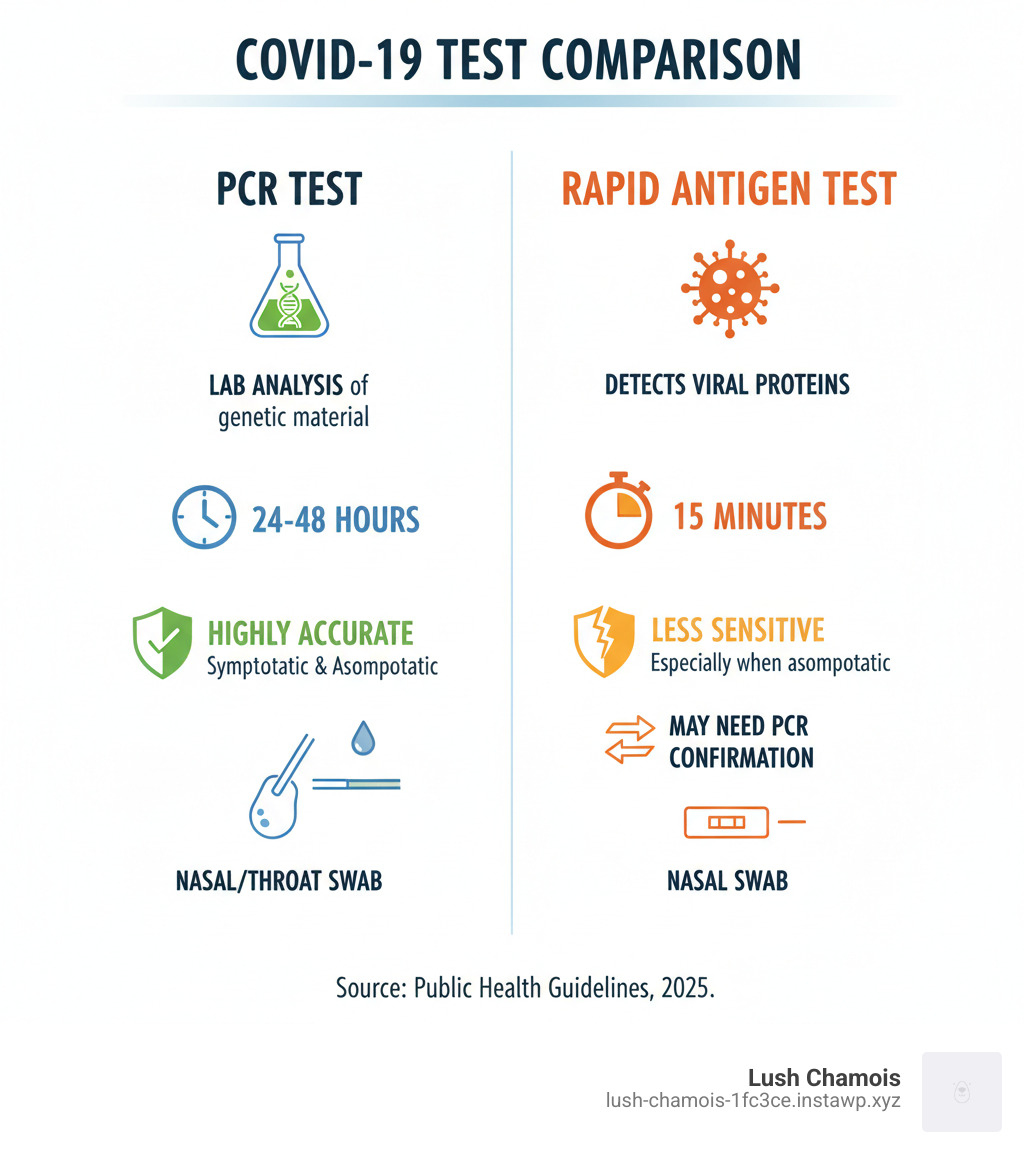
PCR tests are the gold standard for COVID-19 detection. They use molecular technology to identify the virus’s genetic material with high accuracy. Unlike rapid antigen tests that give results in 15 minutes, PCR tests require lab analysis but are more reliable—especially when you’re asymptomatic.
The process is simpler than most people think. You don’t need medical knowledge or special preparation. Most testing locations offer same-day or next-day appointments. Some even provide home visits if you can’t travel to a clinic.
The key is understanding where to go and what information you’ll need. Different regions have different booking systems. Some require symptoms for free testing, while others offer paid testing for travel purposes. Private clinics typically charge around $195, while public health centers may offer free tests for eligible individuals.
This guide walks you through every step, from deciding if you need a PCR test to interpreting your results.
Understanding PCR vs. Other COVID-19 Tests
When you’re trying to figure out which COVID-19 test you need, the different acronyms can feel overwhelming. PCR, NAAT, RADT—what do they all mean? Let’s make sense of these options so you can confidently schedule a PCR test when it’s the right choice for your situation.
Think of a PCR test as the most thorough detective in the testing world. It’s a type of Nucleic Acid Amplification Test (NAAT), which is just a fancy way of saying it looks for the virus’s genetic material. This is why PCR tests are called the “gold standard”—they’re incredibly good at finding even tiny amounts of the virus in your system. They’re both highly sensitive (good at detecting the virus when it’s there) and highly specific (good at not mistaking other things for the virus).
Rapid Antigen Detection Tests (RADTs) take a different approach. Instead of searching for genetic material, they look for specific proteins on the virus’s surface. Think of it like the difference between identifying someone by their DNA versus spotting them by their jacket. Antigen tests are much faster, but they’re not quite as thorough.
Then there are serology tests, which work differently altogether. These detect antibodies in your blood, showing whether you’ve had a past infection or been vaccinated. They won’t tell you if you’re currently infected, which is why they’re not used for diagnosing active COVID-19.
Here’s how PCR tests and rapid antigen tests stack up against each other:
| Feature | PCR Test (NAAT) | Rapid Antigen Test (RADT) |
|---|---|---|
| Turnaround Time | 24-48 hours (can be up to 3 days) | 15-30 minutes |
| Accuracy | High (considered “gold standard”) | Lower sensitivity, especially if asymptomatic |
| Best Use Case | Diagnosing active infection, travel, confirming RADT | Quick screening, serial testing, symptomatic individuals |
| Cost | Varies, often covered for eligible cases, ~$195 private | Varies, often cheaper, free at-home options |
Health Canada is clear about when you need a PCR test: positive results from rapid antigen tests should be considered “presumptive positive” until a PCR test confirms them. This doesn’t mean rapid tests aren’t useful—they absolutely are—but for situations where you need certainty, PCR is the way to go.
What is a PCR Test and How Does it Work?
The Polymerase Chain Reaction (PCR) test is designed to find the genetic material (RNA) of the SARS-CoV-2 virus—the virus that causes COVID-19. Here’s a simple way to understand it: imagine the virus leaves behind tiny molecular fingerprints wherever it goes. The PCR test finds those fingerprints, even if they’re incredibly faint, and makes millions of copies of them until they’re easy to see and identify.
The process starts with sample collection. A healthcare professional will usually take a nose swab (the most common method), though some tests use a throat swab or saliva sample instead. That sample then heads to a laboratory, where technicians analyze it using specialized equipment.
This lab analysis is what makes PCR tests so accurate. The process takes several hours—which is why you don’t get instant results—but this careful examination is what allows the test to detect even small amounts of the virus. Whether you have obvious symptoms or feel completely fine, a PCR test can reliably tell you if you have an active infection.
How Do Rapid Antigen Tests (RADTs) Differ?
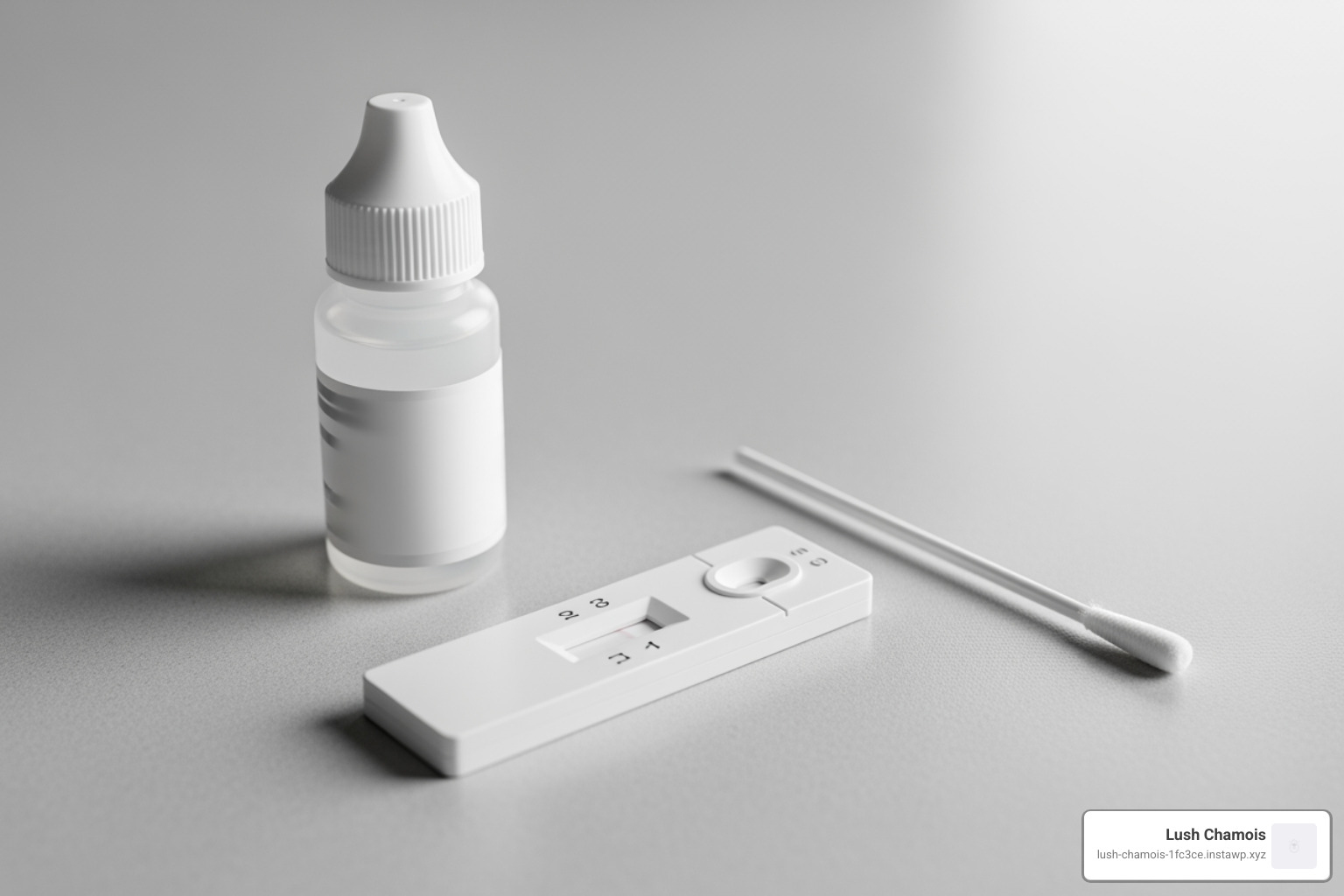
Rapid antigen tests are the express lane of COVID-19 testing. Instead of hunting for genetic material like PCR tests do, they look for specific viral proteins on the surface of the virus. It’s a bit like spotting someone in a crowd by their bright red coat instead of checking their ID—faster, but not quite as certain.
The big draw is speed. You can have your answer in 15 to 30 minutes, making these tests perfect for quick screening before seeing vulnerable family members, attending events, or heading back to work after feeling under the weather.
But here’s the trade-off: rapid antigen tests have lower sensitivity than PCR tests. When you test positive on a rapid test, that result is generally reliable—you very likely have COVID-19. The challenge comes with negative results. These tests are more likely to miss the virus, especially if you don’t have symptoms yet or if the amount of virus in your system is still low.
This is why health authorities recommend treating a positive rapid test as a “presumptive positive” until you can confirm it with a PCR test. And if you’re relying on rapid tests to rule out infection, you’ll want to do serial testing—that means taking multiple tests over several days. The FDA recommends 2 negative antigen tests 48 hours apart if you have symptoms, or 3 tests 48 hours apart if you don’t have symptoms.
When accuracy really matters—for travel, medical procedures, or confirming a positive rapid test—it’s time to schedule a PCR test. At Lush Chamois, we offer virtual rapid antigen test services where a licensed Canadian healthcare professional observes you online to ensure you’re doing the test correctly. We can provide a clearance certificate too, giving you that extra confidence when you need official documentation.
How to Schedule a PCR Test: A Step-by-Step Guide
Ready to schedule a PCR test? The process is more straightforward than you might think. Let’s walk through it together, from figuring out if you actually need one to getting that appointment confirmation in your inbox.
Step 1: Determine if You Need to Schedule a PCR Test
Before you start booking anything, take a moment to consider whether a PCR test is actually what you need. Not every situation calls for one, and eligibility criteria can vary depending on where you live and why you need the test.
If you’re experiencing symptoms like fever, cough, shortness of breath, or loss of taste and smell, that’s a clear sign you should get tested. In Quebec, for example, symptomatic individuals who might benefit from COVID-19 treatments like PaxlovidTM are eligible for testing at local points of service. Your symptoms matter not just for diagnosis, but also because early treatment can make a real difference.
Travel is probably the most common reason people need to schedule a PCR test these days. If you’re heading to another country, check your destination’s entry requirements carefully. Most countries that require testing specifically ask for PCR tests because they’re the most widely accepted and trusted. They typically want results from within 48 to 72 hours before your departure, so timing is everything here.
Maybe you’ve been exposed to someone who tested positive for COVID-19. Your local public health authority might recommend you get a PCR test, especially if you’re showing symptoms or fall into a higher-risk category. It’s worth checking their specific guidance.
Healthcare workers often need regular testing, particularly if they’re symptomatic or if there’s been an outbreak in their workplace. In Quebec, healthcare and social services workers can access testing at local points of service. If you work in healthcare, your employer should have clear protocols about when and where to get tested.
Sometimes you’ll need a PCR test before a medical procedure. If you’re scheduled for surgery, hospitalization, or certain medical treatments, your healthcare provider might require a negative test result first. They’ll let you know the specific timing they need.
And if you’ve gotten a positive result on a rapid antigen test, you might need a PCR test to confirm it. While rapid tests are quite accurate when they’re positive, healthcare providers and employers sometimes require the official confirmation that a PCR test provides.
The rules change depending on where you live, so always check your local testing guidelines to see what applies to your situation. In Ontario, for instance, publicly funded PCR tests often focus on symptomatic individuals who would be eligible for COVID-19 treatment.
Step 2: Find a Testing Location
Now that you know you need a test, where do you actually go? You’ve got several options, and the right one depends on your location, timeline, and personal preferences.
Public health centers and local points of service are often your first stop. In Quebec, the Clic Santé portal helps you find nearby testing locations. Ontario maintains a comprehensive list of COVID-19 testing locations that includes pharmacies and primary care providers. These public options are usually free if you meet eligibility criteria, though it’s always smart to call ahead to confirm they’re still offering testing and check their current hours.
Private clinics can be a great alternative, especially if you need faster results or more flexible appointment times. They typically charge around $195 for PCR testing, but you’re often paying for convenience and speed. Some private clinics also offer home or office visits, which means a healthcare professional comes to you instead of you traveling to them. This can be incredibly helpful if you’re feeling unwell or have mobility challenges.
At Lush Chamois, we understand that accessing testing should be convenient and stress-free. Our screening centers offer flexible options to fit your schedule and needs.
If you’re traveling internationally and need testing in specific locations, different regions have their own resources. For example, the Department of Health in Abu Dhabi and Al Ain provides an extensive list of private screening centers offering PCR tests, complete with operating hours and contact information.
Step 3: Book Your Appointment
You’ve figured out you need a test and you know where to go. Now comes the easy part: actually booking that appointment.
Most places offer online booking these days, which is usually the quickest way to secure your spot. In Quebec, the Clic Santé portal is where you’ll book appointments at public testing sites. Private clinics typically have their own booking systems right on their websites. Online booking lets you see available time slots immediately and choose what works best for your schedule.
If you prefer talking to a real person or if online booking isn’t working for you, phone booking is always an option. Most testing centers have dedicated phone lines for appointments. Just have your calendar handy when you call so you can confirm your availability right away.
When you’re booking, whether online or by phone, you’ll need some basic information ready. This usually includes your full name, date of birth, phone number, email address, and often your provincial health card number if you have one. If you’re booking for travel purposes, mention this upfront—some clinics provide specific documentation for travelers.
After you book, keep an eye out for your confirmation. Most places will send you an email or text message with all the important details: the date, time, exact address, and any special instructions. Some testing sites ask you to arrive a few minutes early to fill out paperwork, while others want you to complete forms online beforehand. Read that confirmation carefully so you know what to expect.
If you need to change or cancel your appointment, do it as soon as possible. Testing slots can be in high demand, and canceling with notice means someone else can grab that spot.
Preparing for Your Test and Interpreting the Results
You’ve successfully booked your appointment – great work! Now let’s walk through what happens next, from showing up at the testing center to understanding what your results actually mean.
What to Expect at Your Appointment
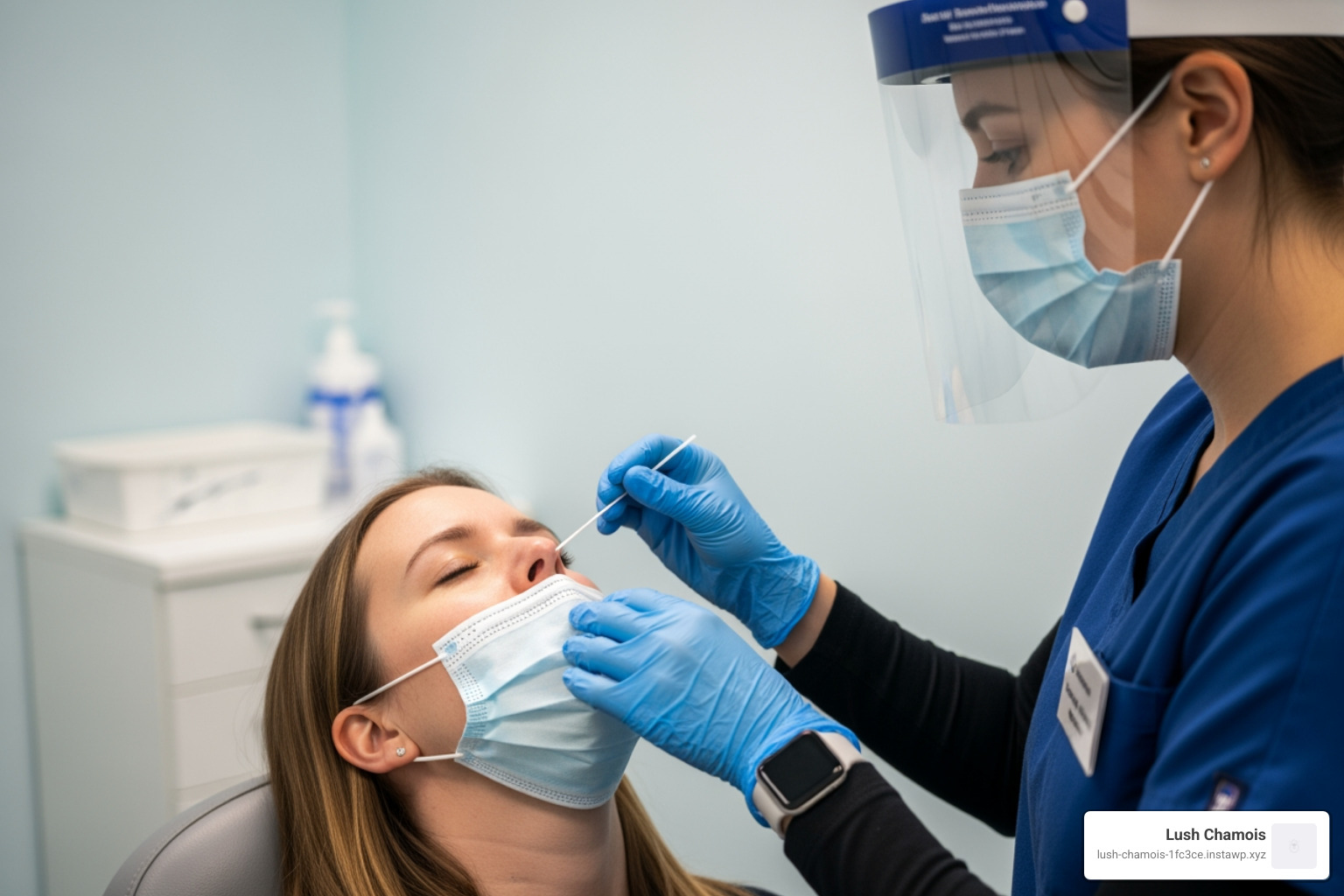
The good news? Your PCR test appointment will be quick. Most people are in and out in about 10 minutes. It’s designed to be straightforward and efficient, so you can get on with your day.
When you arrive, you’ll want to show up a few minutes early. You might be asked to wear a mask and follow specific entry procedures – these vary by location. At registration, you’ll confirm your personal details and might need to show identification and your health card.
Then comes the actual test. A healthcare professional will collect your sample, usually with a nasal swab. Yes, it might feel a bit ticklish or uncomfortable for a few seconds, but it’s over before you know it. Some locations use a throat swab or saliva sample instead.
There are a few situations where you should talk to a healthcare professional before getting tested. If you have nasal obstruction, frequent nosebleeds, recent nasal or oral surgery, or severe wheezing, a medical assessment is recommended first. These aren’t strict barriers to testing, but they need special consideration.
Now, about cost. If you’re getting tested for travel or peace of mind at a private clinic, you’ll typically pay around $195. The good news is this usually includes everything – no separate consultation or appointment fees. If you have private insurance, check whether they’ll reimburse you. For people who are eligible (like those with symptoms who might need COVID-19 treatment), public testing is often free.
Understanding Your PCR Test Results
After your test, the waiting begins. Most people receive their results within 24 to 48 hours, though it can occasionally stretch to three days depending on how busy the lab is and where you’re located.
Your results will typically arrive by email if you provided an email address during registration. If you didn’t, expect a phone call instead. Some regions used to have online portals where you could check results yourself, but many of these have been discontinued. For example, Ontario’s COVID-19 Test Results Viewer stopped providing access to results on August 26, 2025. If you need your results now, contact the testing location directly or your healthcare provider.
So what does a positive result actually mean? It means the test detected the virus’s genetic material in your sample, confirming you have an active COVID-19 infection. The moment you get this result, you need to isolate yourself immediately. Stay away from others, including people in your own household. Your local public health authority will have specific guidance on how long to isolate and what to do next. If your symptoms get worse or you have risk factors for severe illness (like being older or having underlying health conditions), reach out to your healthcare provider right away. Treatment options like PaxlovidTM might be available to you.
A negative result means the test didn’t find the virus. That sounds like all-clear news, but hold on – it’s not always that simple. You might be in the very early stages of infection before the virus is detectable. Or you could have another illness entirely that’s causing your symptoms.
If you tested negative but still have symptoms, keep isolating yourself and follow public health advice. You might need another test in a few days. Even without symptoms, continue following basic precautions: stay home when you’re sick, improve ventilation in indoor spaces, and wear a well-fitted mask in crowded places. When in doubt, talk to a healthcare provider about your specific situation.
The key thing to remember is that test results are just one piece of information. They help guide your decisions, but they work best when combined with common sense and public health guidance.
Frequently Asked Questions about PCR Testing
You’ve got questions, and we’ve got answers. Here are the most common concerns we hear about PCR testing.
Do I need a PCR test to confirm a positive rapid test?
Here’s the short answer: if your rapid antigen test shows a positive result, you typically don’t need a PCR test to confirm it. In most situations, that positive rapid test is enough to confirm you have COVID-19. Public health authorities, including those in Ontario, consider a positive rapid antigen test sufficient for diagnosis.
That said, there’s a bit of nuance here. Health Canada still classifies positive rapid antigen results as “presumptive positive” until a PCR test confirms them. This matters most when you need an official diagnosis for specific purposes—think travel documentation or certain workplace requirements where absolute certainty is required.
For everyday situations, though? If your rapid test is positive, the most important thing is to isolate yourself right away and follow your local public health guidance. The confirmation can wait unless your specific circumstances demand it.
How far in advance should I schedule a PCR test for travel?
Timing is everything when it comes to travel testing. Most countries require a negative PCR test taken within 48 to 72 hours before your departure. Since PCR results typically arrive within 24 to 48 hours, you’ll need to plan carefully to hit that sweet spot.
Here’s how we recommend approaching it: always start by checking your destination country’s exact requirements through their consulate, embassy, or official government website. Airlines may also have specific rules, so verify with them too. Requirements can shift quickly, so check again a few days before you travel.
Once you know your window, work backward from your departure time. If you’re flying out on a Monday, try to schedule a PCR test for the Saturday before. Departing on a Friday? Book your test for Wednesday. This strategy gives you a comfortable buffer for any small delays in results while ensuring your test doesn’t expire before you board.
The PCR test remains the most widely accepted COVID test for international travel, so it’s worth getting the timing right the first time.
What should I do if I have symptoms but my PCR test is negative?
A negative PCR test when you’re feeling unwell can be puzzling, but there are several reasonable explanations. You might be in the very early stages of a COVID-19 infection, before the virus has multiplied enough to be detectable. Or you could have a completely different illness—the flu, a cold, or another respiratory infection. These other viruses are still very much around.
While PCR tests are incredibly accurate, no medical test is perfect 100% of the time. There’s always a small possibility of a false negative, though it’s rare.
So what should you actually do? First, if your symptoms continue or get worse, consult a healthcare provider. This is especially important if you have underlying health conditions or risk factors. Your doctor can assess whether you need another test or different treatment.
Second, keep taking precautions even with that negative result. If you have symptoms, continue isolating yourself from others. Wear a mask, practice good hand hygiene, and avoid close contact with people. You might not have COVID-19, but you likely have something contagious, and nobody wants what you’ve got.
If you started with a rapid antigen test rather than a PCR test, the FDA recommends repeat testing. For symptomatic individuals, test again 48 hours after your first negative result. If you don’t have symptoms but still want to rule out infection, perform three antigen tests total, each 48 hours apart. This serial testing approach significantly increases accuracy and gives you more confidence in the results.
Conclusion
Learning how to schedule a PCR test might have seemed like a puzzle at first, but hopefully now it feels like second nature. You’ve learned the difference between PCR and rapid antigen tests, finded where to find testing locations, walked through the booking process step by step, and even tackled those tricky questions about interpreting results.
The truth is, COVID-19 testing has become a regular part of life for many of us—whether we’re catching a flight to visit family, preparing for a medical procedure, or simply being cautious after feeling under the weather. Having this knowledge in your back pocket means you’re ready whenever you need it.
The key takeaway? Don’t overthink it. Check your local health authority’s latest guidelines, find a testing location that works for you, book your appointment, and show up. The process itself is quick and straightforward, usually taking just minutes out of your day.
And remember, staying informed isn’t just about protecting yourself. It’s about looking out for the people around you—your family, your colleagues, your community. That’s something worth feeling good about.
If you need professional guidance or testing services, we’re here to help. Find out more about our health services and see how we can support your health needs with convenient, reliable care.